Read this article in Bahasa Indonesia
In vehicle systems, the drivetrain determines how the engine transmits torque to the wheels. Specifically, the two most common configurations include Front Wheel Drive (FWD) and Rear Wheel Drive (RWD). The key differences involve the driven wheels, weight distribution, fuel efficiency, and handling characteristics.
FWD (Front Wheel Drive)
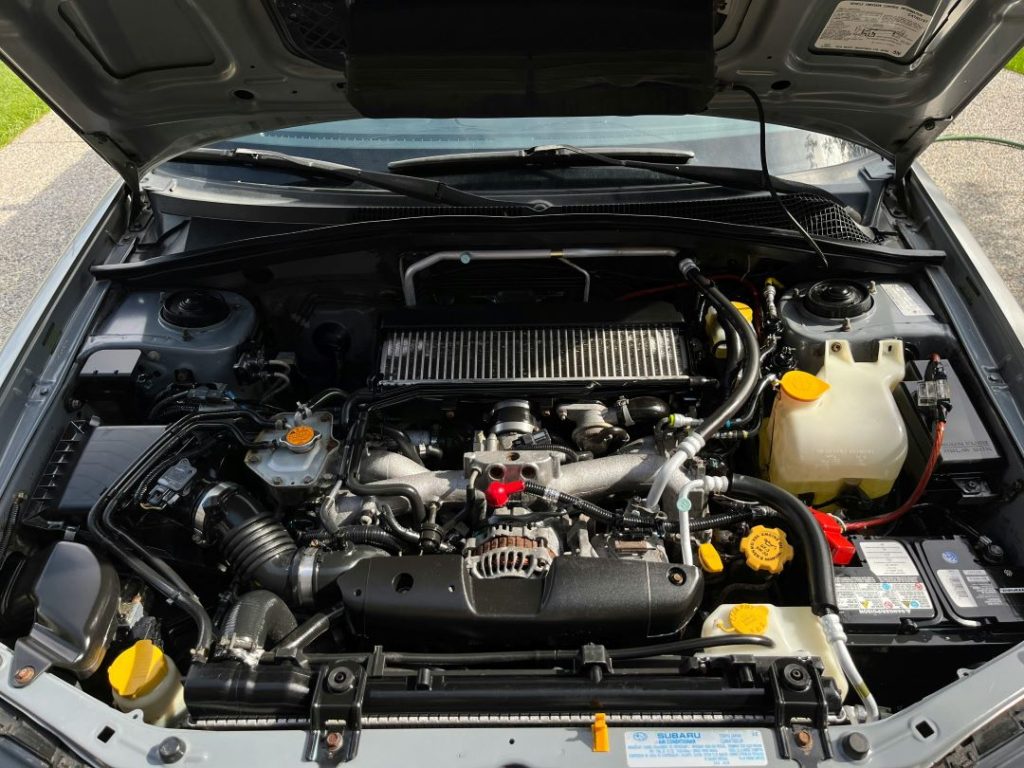
In an FWD configuration, engineers place the engine, transmission, and differential at the front. Consequently, the front wheels perform a dual function by providing both propulsion and steering. Furthermore, this layout minimizes drivetrain losses and mechanical weight. As a result, FWD vehicles offer significantly improved fuel efficiency.
FWD suits urban use perfectly because it offers a more spacious cabin and lower fuel consumption. Moreover, the engine’s weight over the front axle enhances tire grip during light acceleration. Therefore, this setup ensures stable traction, especially on wet or slippery roads.
RWD (Rear Wheel Drive)
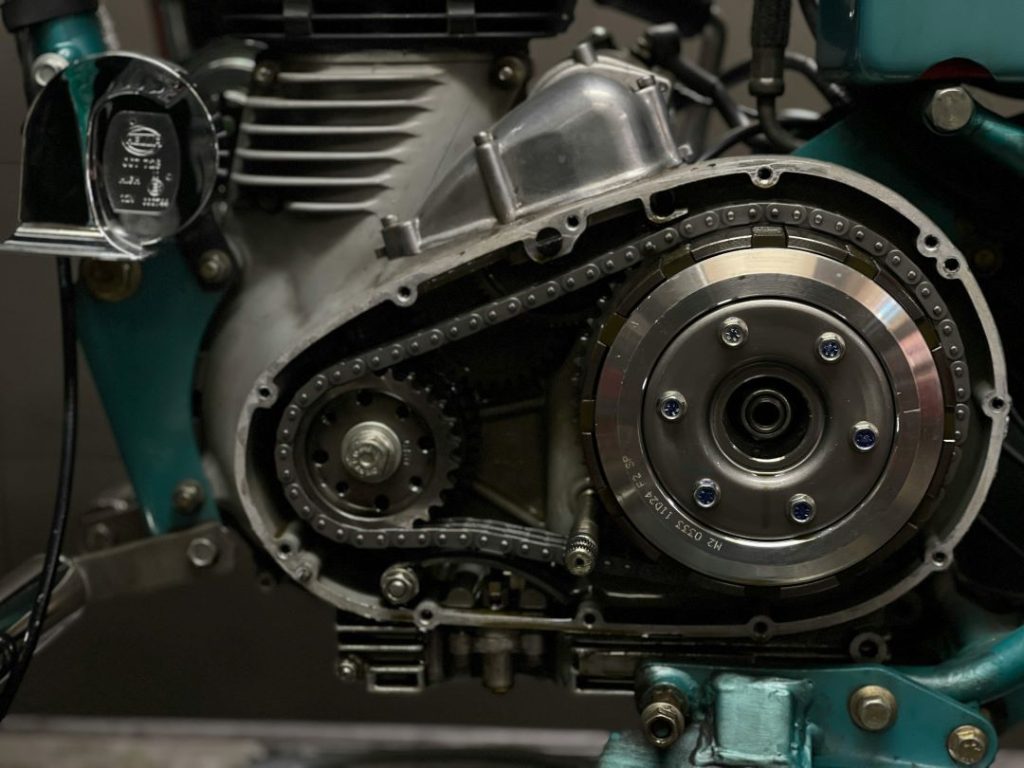
In an RWD system, the engine sends power to the rear wheels via a propeller shaft and rear differential. In this setup, the front wheels focus solely on steering without carrying any propulsion loads.
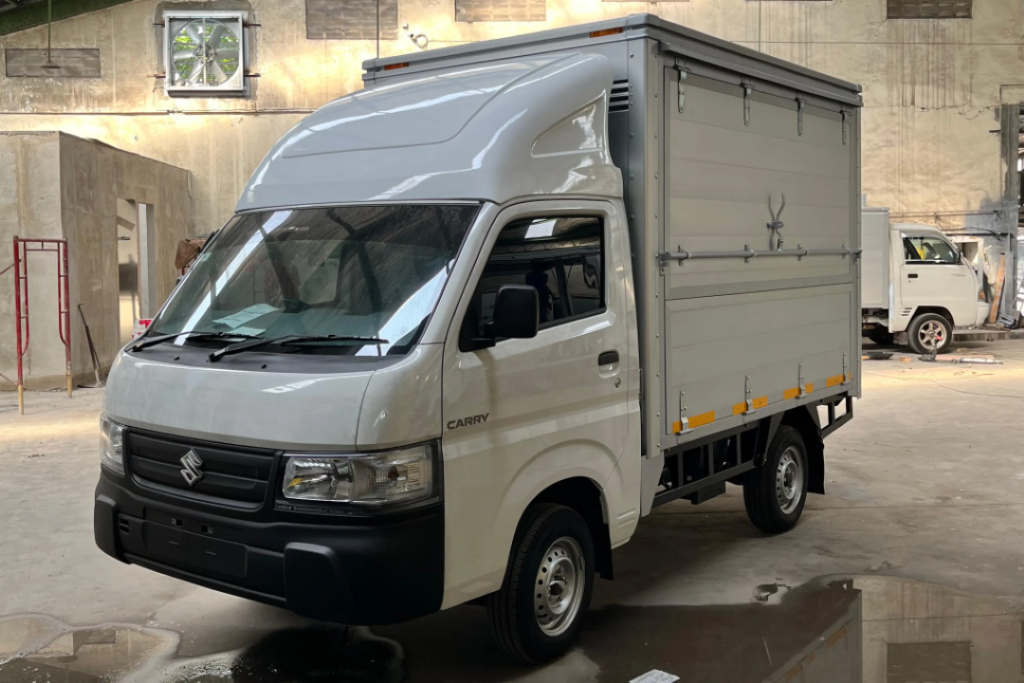
This configuration delivers a more balanced weight distribution, often approaching a 50:50 ratio. Consequently, RWD improves handling, cornering stability, and steering response. Additionally, RWD handles heavy loads and steep inclines more effectively. This happens because weight transfer during acceleration increases rear-wheel traction. For these reasons, manufacturers commonly use RWD in sports cars, premium sedans, and commercial vehicles.
Ultimately, FWD remains ideal for practical, fuel-efficient, and daily-use vehicles. In contrast, RWD excels in sporty applications, precise handling, and heavy-duty operations. Therefore, operators should align their drivetrain selection with the vehicle’s intended function and specific operational characteristics.
For the latest insights into commercial vehicle technologies and products, visit GIICOMVEC 2026, a commercial vehicle exhibition that presents technical insights, technological innovations, and business solutions aligned with the operational and strategic needs of modern enterprises. GIICOMVEC 2026 will be held on 8–11 April 2026 at JIEXPO Kemayoran, Jakarta. Register to visit here.