Read this article in Bahasa Indonesia
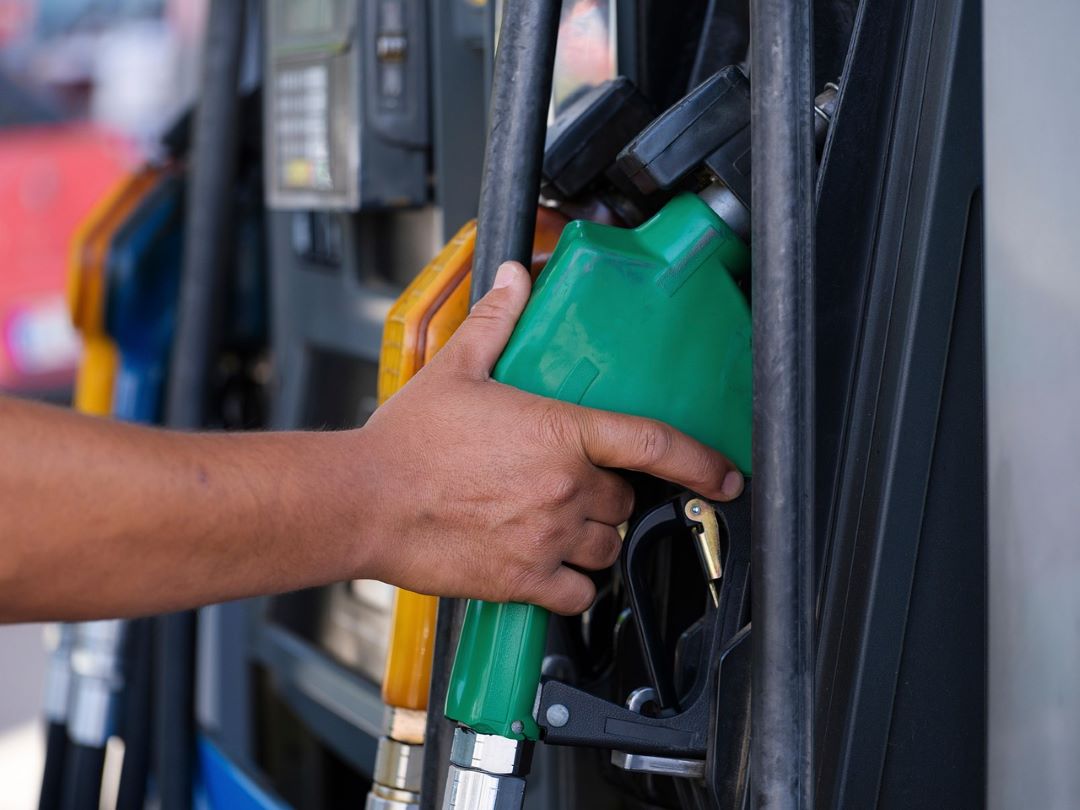
Rising energy costs and increasingly strict energy policies, biodiesel is no longer just an alternative fuel for businesses—it has become a strategic tool to maintain efficiency, sustainability, and business resilience. Ignoring this transition means risking the loss of business momentum as the industry moves toward new energy standards. Vehicles that do not use B40 biodiesel and instead rely on lower blends such as B30/B35 or pure diesel may experience reduced fuel efficiency and long-term performance degradation.
What Happens if You Skip the B40 Transition?
Higher Operating Costs
Lower biodiesel blends increase the risk of technical issues, leading to higher maintenance expenses due to unplanned downtime.
Technical Risks to the Engine
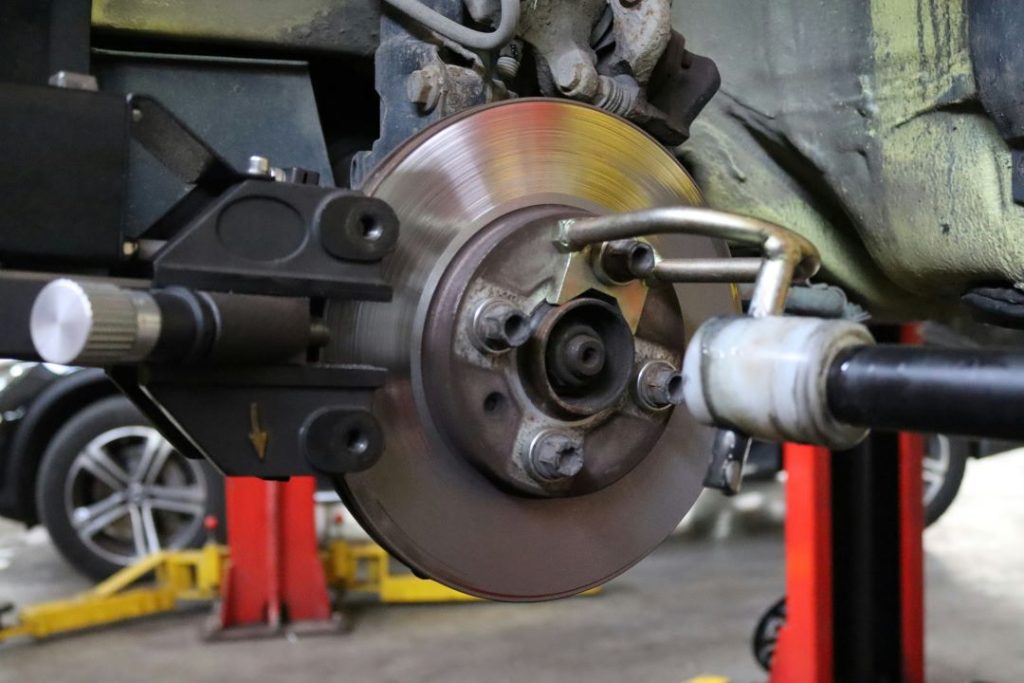
Residual B40 fuel left in the injectors when the engine is shut down can form deposits due to the high content of Fatty Acid Methyl Ester (FAME). These deposits can cause higher engine temperatures and accelerate component wear, shortening engine lifespan.
Filtration Issues
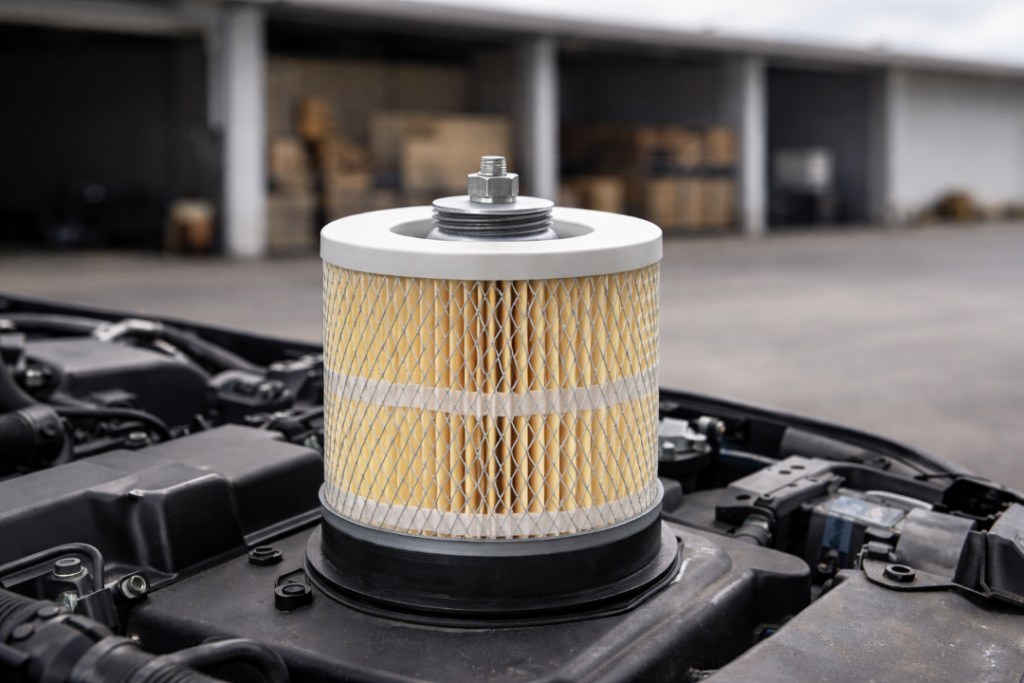
Using B40 without a filtration system designed for higher biodiesel content can lead to clogging of fuel filters and injectors.
Emissions Impact
Not using B40 means missing the opportunity to reduce carbon dioxide emissions and results in higher pollutant levels compared to standard diesel fuel.
Using improperly blended biodiesel can degrade engine performance and cause fuel filter blockage. In contrast, using pure B40 without dilution helps maintain engine health and extends operational uptime.
With this in mind, we invite industry players to visit GIICOMVEC 2026, a commercial vehicle exhibition that presents technical insights, technological innovations, and business solutions for commercial vehicles. GIICOMVEC 2026 will be held on 8–11 April 2026 at JIEXPO Kemayoran, Jakarta. Register to visit here.