Read this article in Bahasa Indonesia
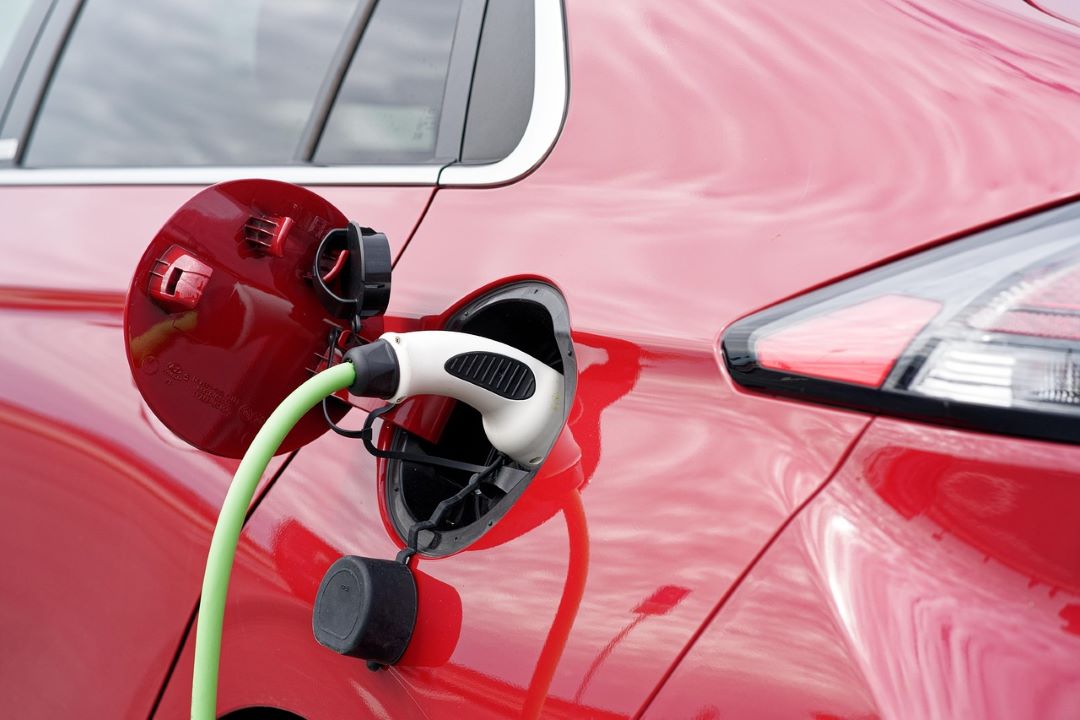
An increasing number of companies now deploy Electric Vehicles (EVs) to bolster operational efficiency and sustainability. However, to ensure stable performance and extend a vehicle’s lifespan, operators must implement precise maintenance procedures. While the battery often takes center stage, other critical systems play equally vital roles in maintaining overall vehicle health.
-
Optimize Battery Management and Charging
First, operators should maintain the State of Charge (SOC) within the 20–80% range. By doing so, they significantly slow down battery degradation. In addition, technicians must ensure the liquid cooling system functions perfectly to keep battery temperatures within an ideal working window. Furthermore, always use OEM-certified chargers to guarantee stable current and voltage during every charging cycle.
-
Drivetrain and Component Maintenance
Next, technicians should regularly inspect the electric drivetrain, power electronics, and high-voltage wiring to detect early wear or corrosion. Alongside these physical checks, updating the software for the Battery Management System (BMS) and Vehicle Control Unit (VCU) is essential. These updates actively improve energy efficiency, acceleration response, and the vehicle’s internal protection protocols.
-
Monitor Braking and Suspension Systems
Even though EVs rely heavily on regenerative braking, technicians must still check brake pads and brake fluid periodically. At the same time, maintaining proper tire pressure and performing regular wheel rotation help preserve vehicle stability and prevent uneven wear.
-
Prioritize Exterior Care and Cleaning
Routine washing helps prevent corrosion on the body and underbody components. Whenever possible, park the vehicle in shaded areas. This simple habit reduces thermal stress, which can otherwise negatively impact the performance of the battery and sensitive electronic modules.
-
Adhere to Scheduled Maintenance
Last but not least, always follow the manufacturer’s scheduled maintenance. While it is true that EVs have fewer moving parts than conventional internal combustion engines, they are not maintenance-free. Regular servicing ensures that the electrical systems, suspension, and electronic controllers continue to function at their peak.
By consistently applying these steps, businesses can maintain high efficiency, reliability, and long-term performance for their electric fleets. visit GIICOMVEC 2026, a commercial vehicle exhibition that presents technical insights, technological innovations, and business solutions aligned with the operational and strategic needs of modern enterprises. GIICOMVEC 2026 will be held on 8–11 April 2026 at JIEXPO Kemayoran, Jakarta. Register to visit here.