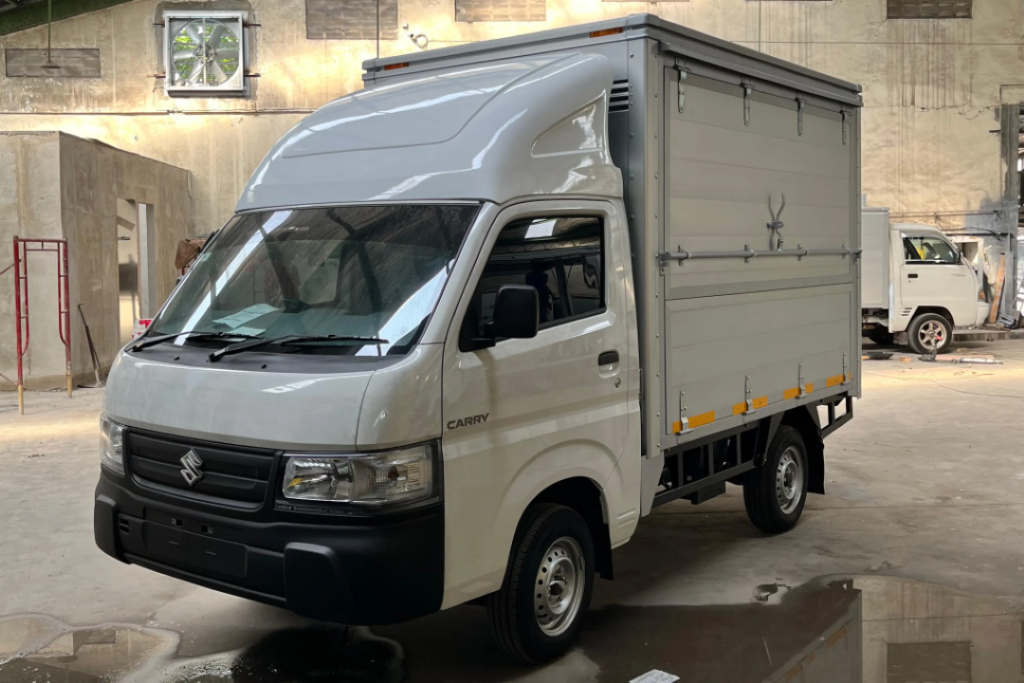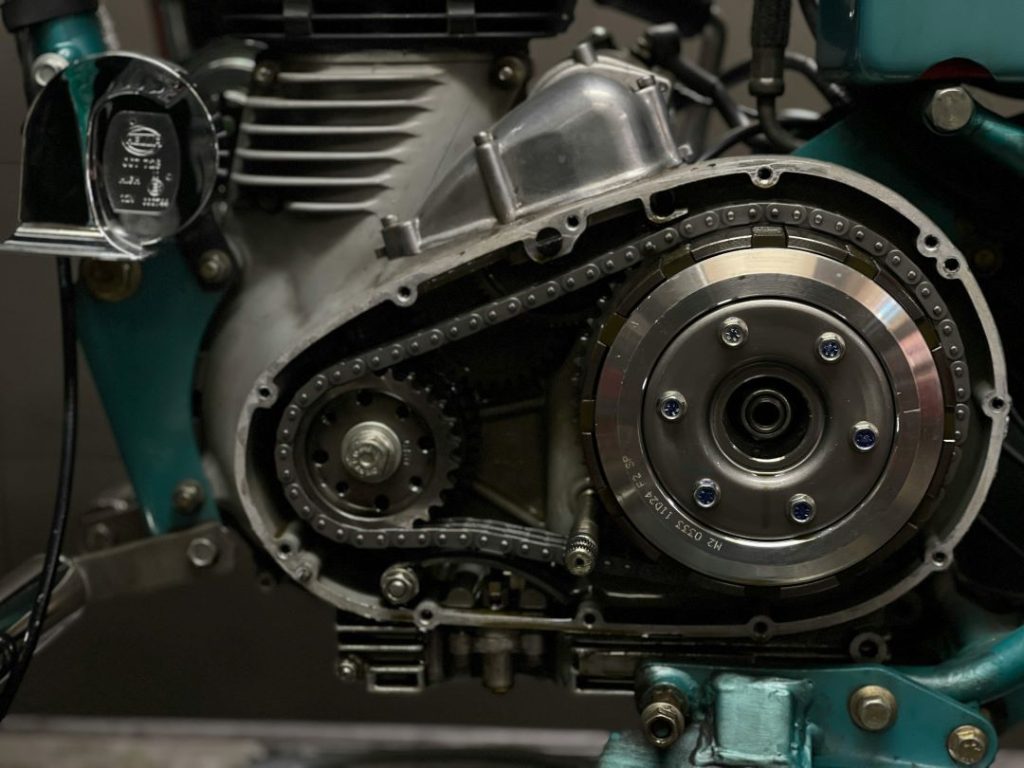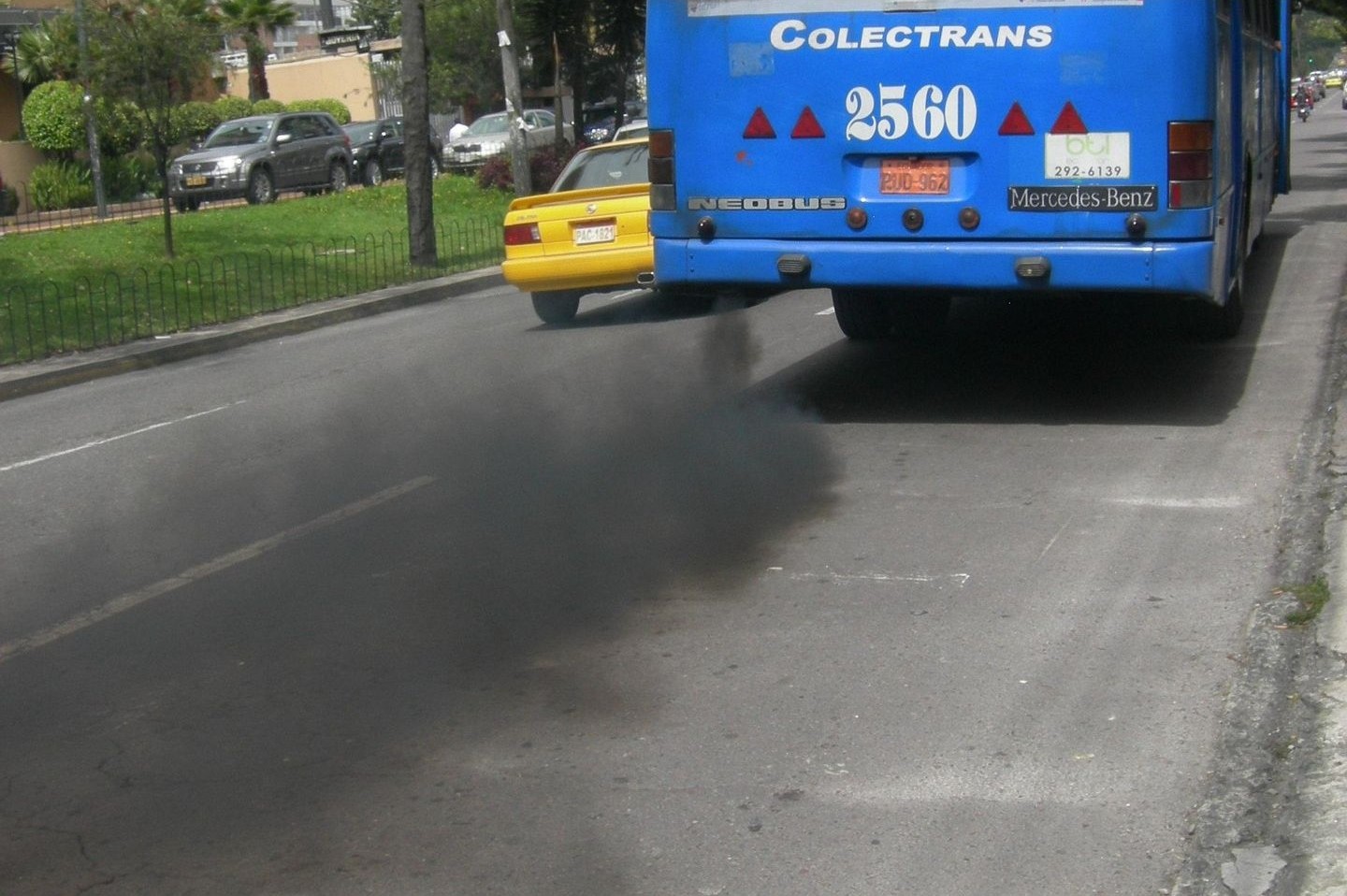
Heavy-duty diesel vehicles often emit thick black smoke due to incomplete combustion. This condition indicates issues within the combustion system, particularly an imbalance in the air–fuel ratio (AFR). If left unaddressed, black smoke can reduce engine performance, increase fuel consumption, and accelerate component wear. To prevent this issue, apply the following maintenance practices:
Maintain and Replace the Air Filter
Clean the air filter element using compressed air to remove dust and contaminants. Replace the filter if it becomes clogged or damaged. Ensure the intake system is free from leaks so that only clean, metered air enters the engine.
Inspect the Turbocharger
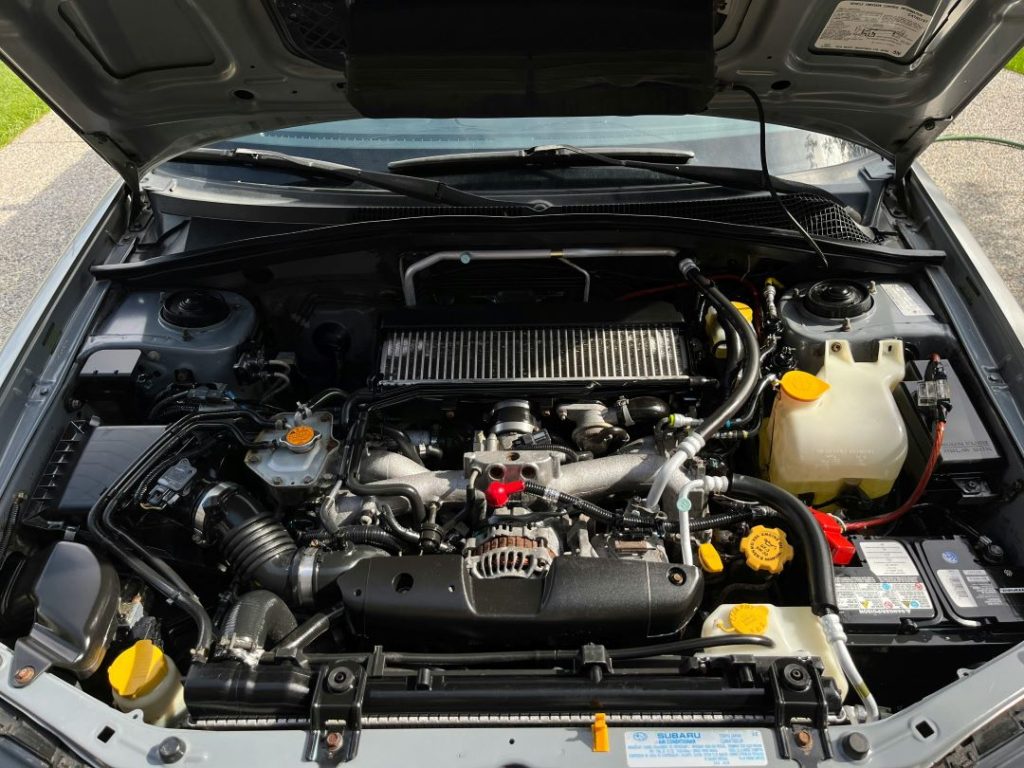
Modern trucks rely on turbochargers. Check the intercooler hoses for leaks to ensure the turbocharger operates efficiently and supplies sufficient boost air.
Clean the Intake Manifold and EGR System
Carbon buildup in the intake manifold, often caused by a contaminated Exhaust Gas Recirculation (EGR) valve, restricts airflow. Clean these components regularly to maintain proper air supply, control emissions, and reduce particulate matter (PM) formation.
Use High Cetane Number Diesel Fuel
Choose diesel fuel with a high cetane number, between 45-55, to shorten ignition delay, achieve cleaner combustion, and minimize soot formation.
Learn more about diesel engine technology, emission control systems, and premium fuel solutions at GIICOMVEC 2026, an exhibition that presents technical insights, technological innovations, and business solutions aligned with the operational and strategic needs of modern enterprises. GIICOMVEC 2026 will be held on 8–11 April 2026 at JIEXPO Kemayoran, Jakarta. Register to visit here.