


The Real Threat of Brake Failure in Indonesia
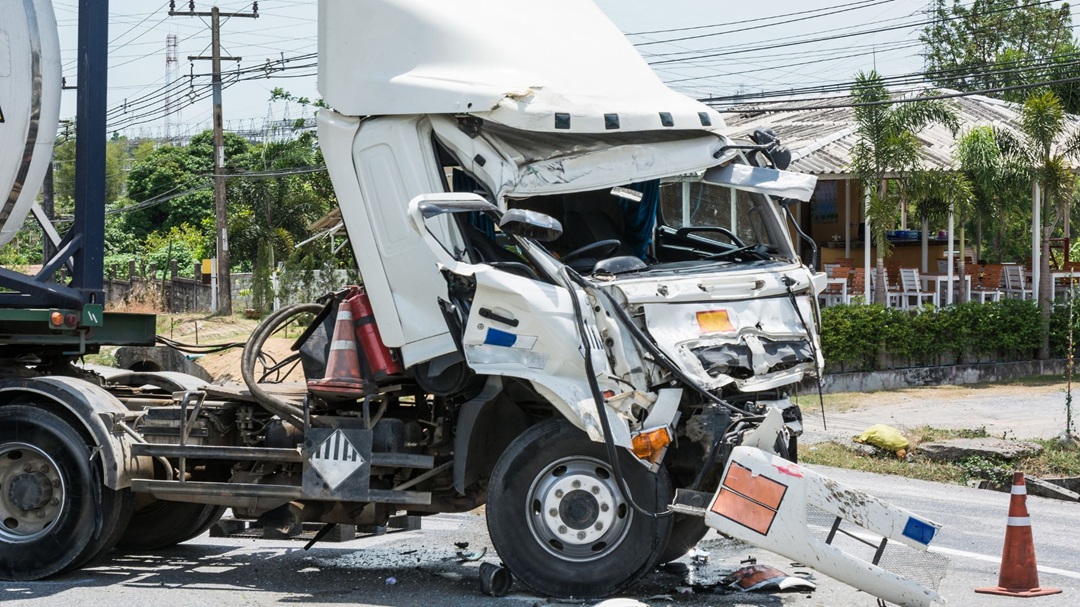
Brake failure is a real operational and humanitarian threat—not just a disturbing news headline. Brake malfunction in trucks in Indonesia continues to be a major trigger of fatal incidents, reflecting a crisis in risk management and operational control in the logistics sector. Accident data from 2024 to early 2025 show alarming urgency. Tragic incidents such as the fatal crash at GT Ciawi, the tourist bus accident in Batu, East Java (8 January 2025), and the flour-loaded truck crash at Bakauheni Port (27 January 2025) were all strongly suspected to involve brake failure.
The Bakauheni case—where the truck hit a barrier pole and overturned after the driver claimed the vehicle “ran out of air”—highlights a Full Air Brake system failure caused by poor pressure monitoring or ignored air leaks. Similarly, the tronton accident in Pidie, Aceh (December 2024), and the multi-vehicle collision in Sukabumi (December 2024) that killed several victims further reinforce that these high-risk incidents often stem from brake issues.
System failures—often proven through investigations, such as pneumatic or hydraulic leaks reported by the National Transportation Safety Committee (KNKT)—turn these crashes from unavoidable incidents into predictable system failures. For truck owners, understanding this is crucial because brake-related negligence exposes them to significant legal and liability risks.
Brakes Are an Investment, Not an Operating Cost
Modern fleet safety requires integrating three critical pillars:
- Primary Brakes
- Auxiliary Brakes
- Trained Drivers
Optimizing these three pillars is the key to achieving zero-accident performance while reducing Total Cost of Ownership (TCO).
Truck brake systems work under extreme load. Their job is to convert massive kinetic energy (from vehicle weight, cargo, and speed) into heat through friction. Heavy loads—especially from Over Dimension Over Load (ODOL) practices or long downhill routes—cause rapid heat buildup in brake linings and drums. When temperatures reach critical limits, brake fade occurs, drastically reducing braking efficiency and leading to potentially fatal brake failure.
The 3 Brake Systems Used in Trucks and Buses
Hydraulic Brake System (Full Hydraulic Brake)
This system uses brake fluid to press the brake linings. The braking force depends heavily on the driver’s foot pressure. It is commonly used in light-duty trucks (GVW 5–10 tons). While easy to maintain, its major weakness is its high susceptibility to brake fade. Under heavy load or long downhill braking, excessive heat can boil the brake fluid. When this happens, the fluid loses its non-compressible properties, pressure drops, and brake failure occurs. Some models use brake boosters to compensate for weak pedal force.
Air Over Hydraulic (AOH)
A transitional technology between fully hydraulic and full air systems. Pressurized air pushes the hydraulic fluid, which then activates the brakes. AOH provides stronger braking than pure hydraulic systems but comes with dual-failure risk: any leak in the hydraulic circuit can cause total brake loss.
Full Air Brake System: The Safety Standard for Heavy Duty Trucks
The Full Air Brake System uses high-pressure air and does not depend on driver pedal force. It is the mandatory standard for heavy-duty trucks such as tractor heads, dump trucks, and mining trucks (GVW 24 tons and above).
Its main advantage is the fail-safe feature: if an air leak drops pressure below a threshold, the brakes automatically lock via a spring brake mechanism, forcing the truck to stop. This ensures maximum safety for heavy vehicles operating on high-risk routes.
The Importance of Auxiliary Brakes
Primary brakes—no matter how strong—must not work alone. To improve safety, operational efficiency, and component lifespan, heavy-duty trucks require secondary braking systems.
Engine Brake (Jake Brake): Using Engine Compression
Engine Brakes use diesel engine compression to slow the vehicle without relying on service brakes. The exhaust valve opens at the end of the compression stroke, turning the engine into a compressor that creates drag. This relieves the primary brakes and prevents brake fade on long descents. Drivers can adjust the braking intensity.
Retarder: Long-Term Braking Investment
Retarders provide continuous braking without significant wear on service brakes.
Hydraulic Retarder
Uses special transmission oil to create fluid resistance between a turbine and stator. This produces strong, smooth, and reliable braking. Maintenance includes checking transmission oil, filters, and leaks.
Electromagnetic Retarder
Operates without physical contact using magnetic fields. Electric current induces eddy currents on the rotor shaft, generating resistance that slows the vehicle. Advantages include instant response, consistent braking across various speeds, and minimal mechanical wear.
Retarders as a TCO Reduction Strategy
Acquiring trucks with Engine Brakes or Retarders is a cost-saving investment. These systems reduce dependency on primary brakes, extend brake lining lifespan, lower maintenance costs, and reduce vehicle downtime—especially for long-haul or heavy-load fleets.
Financial, Regulatory, and Compliance Dimensions
The True Cost of Brake Failure Goes Far Beyond Physical Damage
The financial impact of brake-failure accidents far exceeds repair bills and insurance claims. Companies may face compensation payouts, legal fines, police investigations, reputational damage, and logistics disruptions requiring emergency expenses.
ODOL practices significantly worsen this risk. Overloading forces brake systems to work beyond their design limits, becoming a major cause of fatal failures. In corporate risk management, if a fatal incident is linked to ODOL, the company faces not only small administrative fines (e.g., Rp 500,000) but also severe criminal liability for negligence causing loss of life.
Internal audits must treat ODOL as a primary safety risk—not just a regulatory issue.
KNKT Compliance: A Mandatory Audit Standard
KNKT sets specific criteria to ensure truck and bus brakes are safe. These must be integrated into fleet SOPs for daily and periodic inspections.
Three KNKT Compliance Criteria:
- No pneumatic (air) leaks.
- No hydraulic (fluid) leaks.
- Brake lining–to–drum distance (travel stroke) must meet OEM specifications.
Maintenance managers must prioritize leak inspections, especially for Full Air Brake Systems. Cases of trucks “running out of air” show that minor leaks, when ignored, can become fatal. Travel strokes that are too loose or too tight also violate national safety standards.
Practical Guidelines and Maintenance
Reliable Braking Techniques for Truck Drivers
Drivers must master proper braking techniques, especially on steep descents.
The core principle:
Use the main brakes only to stop the vehicle; use the transmission and auxiliary brakes to control speed.
- Use Low Gears:
On steep hills, drivers must use low gears (1st or 2nd). This maximizes Engine Braking and prevents overloading the primary brakes. - Intermittent Braking (Stabbing):
Avoid holding the brake pedal continuously. Instead, apply firm brakes intermittently to allow cooling between cycles. This prevents brake fade. - Proper Retarder Use:
If equipped with a Hydraulic Retarder, apply braking gradually. Never jump from zero to the highest retarder level—especially with heavy loads.
Daily Air Brake Maintenance (Driver Checklist)
Daily maintenance is the first line of defense against brake failure.
- Air Pressure Check:
Drivers must confirm air pressure levels on the dashboard before and during trips. - Air Tank Drainage:
Condensed water must be drained daily to prevent corrosion and valve damage. - Visual Inspection & Travel Stroke Check:
Inspect for air leaks in hoses or valves and ensure the brake lining travel stroke meets OEM standards. - Retarder Maintenance:
Hydraulic retarders require fluid and filter replacement as scheduled.
Electromagnetic systems require routine checks on wiring, relays, and switches.
Has Your Fleet Been Audited?
For Owners & Procurement:
Audit your fleet’s brake specifications immediately. Make Full Air Brake and Retarder adoption the minimum operational standard for heavy-duty vehicles on high-risk routes.
For Drivers & Maintenance Teams:
Check for pneumatic/hydraulic leaks and travel stroke compliance daily. Provide intensive training on intermittent braking and proper Engine Brake/Retarder usage.
Conclusion
Brake failure is the result of technical and operational choices—not fate. Indonesia’s fatal accident data demands proactive fleet management. Driver safety and asset protection depend on strategic investment in braking systems. Brake failure is preventable.
Investing in Full Air Brake Systems and Retarder technology is smart business. Preventing one fatal accident saves millions in compensation, legal liabilities, and reputation loss. Retarders and Engine Brakes reduce reliance on main brakes, extend brake component lifespan, and reduce maintenance costs and downtime.
Build a safety-driven culture where drivers master Engine Braking, and fleets pride themselves on KNKT compliance. Make your trucks symbols of reliability and responsibility. A fleet with technical integrity attracts clients who prioritize safe and accountable supply chains.
