Read this article in Bahasa Indonesia
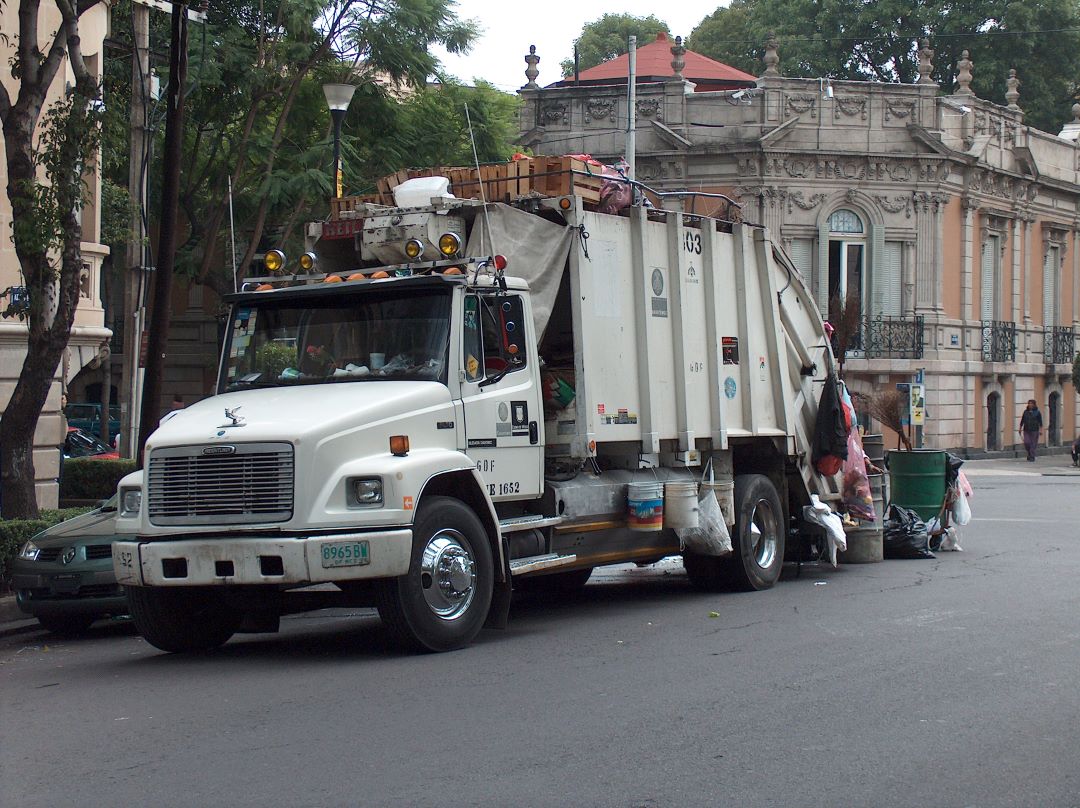
In commercial vehicle operations, operators often view overloading as a quick way to boost efficiency and meet tight delivery targets. However, while this practice may appear profitable in the short term, it ultimately drives much higher long-term costs. In other words, overloading represents more than a regulatory issue; it acts as a direct threat to the long-term sustainability of fleet operations.
Unplanned Downtime and Maintenance Costs
Damage from overloading rarely occurs instantly. Instead, it gradually surfaces as unexpected downtime, emergency repairs, and premature component failure. When vehicles remain stuck in the workshop, costs extend far beyond repair bills. Furthermore, delivery delays, contractual penalties, and the loss of customer trust quickly erode operational margins.
Safety Risks and Reputational Impact
Beyond mechanical concerns, overloading significantly increases accident risks by reducing vehicle stability and braking effectiveness. Moreover, in an era of safety audits and operational transparency, a single serious incident can severely damage a company’s reputation. Consequently, accident records and load violations now play a decisive role in how clients and logistics partners evaluate fleet operators.
Prevention Costs Less Than Losses
Compared to the financial impact of breakdowns, investing in load compliance and preventive maintenance is far more cost-effective. In addition, supporting technologies such as load monitoring, ABS, and EBS protect fleet productivity. These measures do not just extend vehicle service life; they actively safeguard business continuity.
Ultimately, overloading may deliver short-term gains today, but it almost certainly leads to substantial costs in the future. Fleets that consistently respect load limits and leverage the right technologies are far better positioned to withstand operational pressure, regulatory demands, and the increasingly intense competition within the transport industry.
For deeper insights into the latest operational vehicle technologies and components, visit GIICOMVEC 2026, a commercial vehicle exhibition that presents technical insights, technological innovations, and business solutions aligned with the operational and strategic needs of modern enterprises. GIICOMVEC 2026 will be held on 8–11 April 2026 at JIEXPO Kemayoran, Jakarta. Register to visit here.