Read this article in Bahasa Indonesia
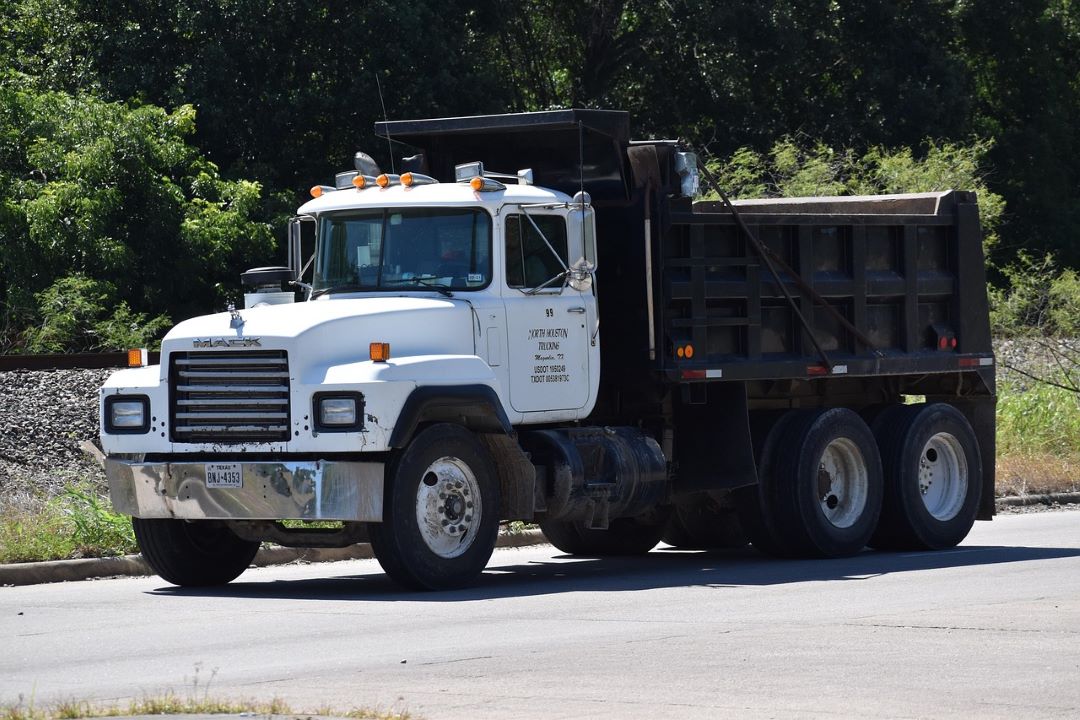
Operating a truck with a partial load often seems safer. However, in reality, this condition can increase instability risks if managed incorrectly. Poor weight distribution directly impacts traction, braking, and steering response. To maintain stability during partial loads, follow these technical steps:
Balance Load Distribution
Place the cargo as close as possible to the center of the bed and directly over the wheel axles. Indeed, an unbalanced load makes the truck more susceptible to oversteer or understeer, especially during cornering or sudden braking.
Secure Cargo with Tie-Down Systems
Because light loads shift more easily, use straps, ratchets, or load bars. By doing so, you prevent sudden shifts in the vehicle’s center of gravity.
Adjust Tire Pressure
Tire pressure designed for full loads often reduces grip when the vehicle is light. Therefore, following manufacturer recommendations for partial loads improves traction and driving comfort.
Utilize Braking Systems Wisely
Modern braking technology, such as Electronic Braking Systems (EBS), automatically adjusts pressure based on the current load. This ensures the truck remains stable and prevents wheel lock-up during emergency stops.
In summary, truck stability depends on management rather than just total weight. With proper distribution, secure fastening, adjusted tire pressure, and advanced braking support, a truck remains safe, stable, and efficient—ultimately protecting fleet productivity.
Find more insights on commercial vehicle technology and innovation at GIICOMVEC 2026, a commercial vehicle exhibition that presents technical insights, technological innovations, and business solutions aligned with the operational and strategic needs of modern enterprises. GIICOMVEC 2026 will be held on 8–11 April 2026 at JIEXPO Kemayoran, Jakarta. Register to visit here.