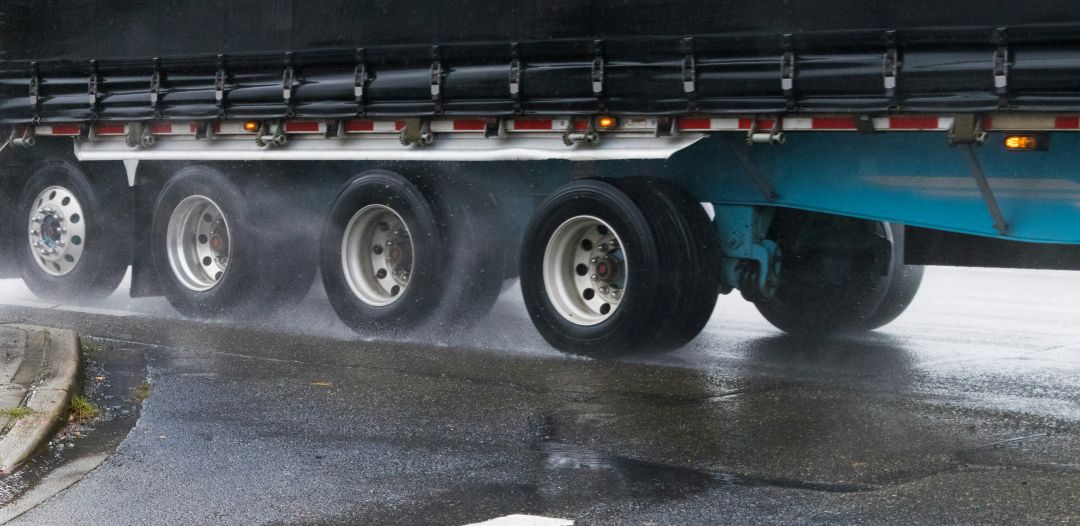
Extreme weather increases the risk of hydroplaning, a situation in which tires lose traction because a layer of water separates them from the road surface. In heavily loaded trucks, this condition becomes especially dangerous, as it can lead to loss of control and serious disruptions to high-value logistics operations. Therefore, drivers must take proactive measures to reduce this risk.
Inspect Tires Regularly
First and foremost, drivers should ensure that tires maintain adequate tread depth that meets safety standards and use tread patterns designed for all-weather or wet traction. Maintain tire pressure according to the manufacturer’s specifications to ensure optimal contact with the road surface.
Avoid Sudden Maneuvers
Next, drivers should avoid sudden acceleration, hard braking, or steering on wet roads. They should gradually reduce speed using engine braking and smooth brake modulation to maintain vehicle stability.
Maintain Vehicle Systems
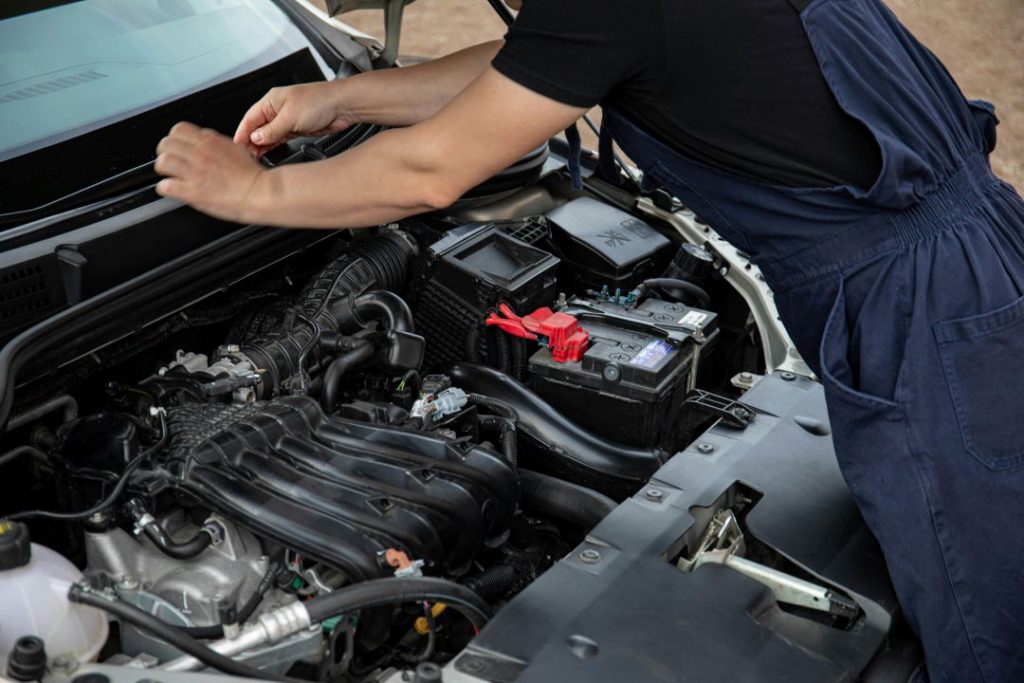
Furthermore, operators must ensure that the vehicle’s systems—especially power steering and braking systems—operate properly. Fast and responsive systems allow drivers to correct vehicle direction quickly if early signs of wheel slip or aquaplaning occur.
Ultimately, by maintaining tire condition, controlling speed, and servicing vehicle systems, drivers can significantly reduce the risk of hydroplaning and maintain operational safety.
Discover technical insights and commercial vehicle solutions at GIICOMVEC 2026, an exhibition that presents technical insights, technological innovations, and business solutions aligned with the operational and strategic needs of modern enterprises. GIICOMVEC 2026 will be held on 8–11 April 2026 at JIEXPO Kemayoran, Jakarta. Register to visit here.